
Table of Contents
- Understanding Hairstyle Types by Hair Texture
- Types of Haircuts: Classic and Contemporary Options
- Hairstyles for Different Hair Types and Textures
- Short Hairstyles: Length, Volume and Maintenance
- Types of Bangs and Fringe Styles
- Protective Styling and Braiding Techniques
- Choosing the Right Hairstyle for Your Face Shape
- Styling Techniques and Product Selection for Long-Lasting Results
- Frequently Asked Questions
Last Updated: October 9, 2026
Understanding Hairstyle Types by Hair Texture
Hairstyle types are categories of cuts, styles, and looks defined by your hair texture, length, and the techniques used to shape them. Knowing your natural texture is the foundation for choosing a style that works.
Hair texture falls into four main categories: straight, wavy, curly, and coily. Each has different styling needs, products, and maintenance routines, determined by the shape of your hair shaft and how your follicles grow.
Straight hair
Straight hair has a round shaft that grows perpendicular to the scalp, so oils travel easily down the strand and give it natural shine.
Straight hair works well with:
- Sleek, polished styles
- Blunt cuts that emphasize line and shape
- Layers for movement and volume
- Shorter cuts that showcase texture
The main challenge is adding volume and texture without frizz; texturising sprays and lightweight pomades create dimension.
Wavy hair
Wavy hair has a slightly flattened shaft that creates gentle S-curves, with natural movement but no tight definition.
Wavy hair benefits from:
- Layered cuts that enhance natural waves
- Medium-length styles that show off movement
- Texturising products that define waves
- Minimal heat styling for best results
Sea salt sprays and light styling creams enhance the natural wave pattern without weighing hair down.
Curly and coily hair
Curly hair has a flattened, ribbon-like shaft that creates defined loops; coily hair has tight, springy coils close to the scalp.
Curly and coily hair needs:
- Moisture-rich products that prevent dryness
- Cuts designed for curl patterns, not straight lines
- Protective styling techniques
- Regular deep conditioning treatments
Curly and coily textures are more porous, absorbing moisture quickly but losing it just as fast, so hydration matters most.
Types of Haircuts: Classic and Contemporary Options
Haircuts are shaped by specific techniques barbers and stylists use to create structure. Knowing the main types of haircuts helps you communicate clearly with your stylist.
Fade and taper variations
A fade gradually shortens hair from longer on top to very short on the sides and back for clean, sharp definition.
Fade types include:
- Low fade: Hair transitions from longer to short starting low on the sides, leaving more length at the temples
- Mid fade: The transition begins roughly halfway up the sides
- High fade: The cut starts very short high on the sides, creating maximum contrast
- Skin fade: Hair is cut down to the scalp, showing skin completely
A taper is a less dramatic fade: hair shortens down the sides and back but never reaches skin level. Tapers suit professional settings and most face shapes.
The crew cut, buzz cut and ivy league
These foundational types of haircuts work with most hair types and face shapes.
The crew cut has 2.5-7.5 cm on top styled forward or to the side with short, tapered sides. It's versatile, low-maintenance, and suits straight and wavy hair.
The buzz cut is one very short length all over (0.6-1.3 cm).
The ivy league sits between a crew cut and a longer style: 5-7.5 cm on top, parted or swept back, with faded sides.
Pompadour, quiff and undercut styles
The pompadour sweeps volume up and back from the face, with faded or tapered sides. It needs styling products and regular maintenance but creates a bold, polished look.
The quiff is a less extreme pompadour: longer, fuller hair on top without as much height or product. It suits wavy hair and casual or formal settings.
The undercut pairs very short or shaved sides with longer hair on top that can be slicked back, textured, or swept aside.
Hairstyles for Different Hair Types and Textures
The best hairstyles work with your hair's natural properties. Matching your cut and styling to your hair type makes maintenance easier and results better.
Hair porosity and density considerations
Hair porosity describes how well hair absorbs and retains moisture.
Hair density is how many individual hairs grow from your scalp.
Knowing your porosity and density helps you choose the right products, select cuts that enhance or balance your density, and plan realistic styling routines.
For high-porosity, low-density hair, lightweight oils and leave-in conditioners work better than heavy creams. For low-porosity, high-density hair, volumising products and texturising sprays create definition without buildup.
Matching styling products to your hair
The right product makes the difference between a hairstyle that lasts all day and one that falls flat within hours.
Straight hair benefits from:
- Light pomades and waxes for shine and hold
- Texturising sprays for grip and volume
- Lightweight oils for smoothness
Wavy hair works well with:
- Sea salt sprays that enhance natural waves
- Light creams and gels for definition
- Dry shampoo for texture between washes
Curly and coily hair needs:
- Rich moisturising creams and butters
- Leave-in conditioners for hydration
- Curl-defining gels that provide hold without crunch
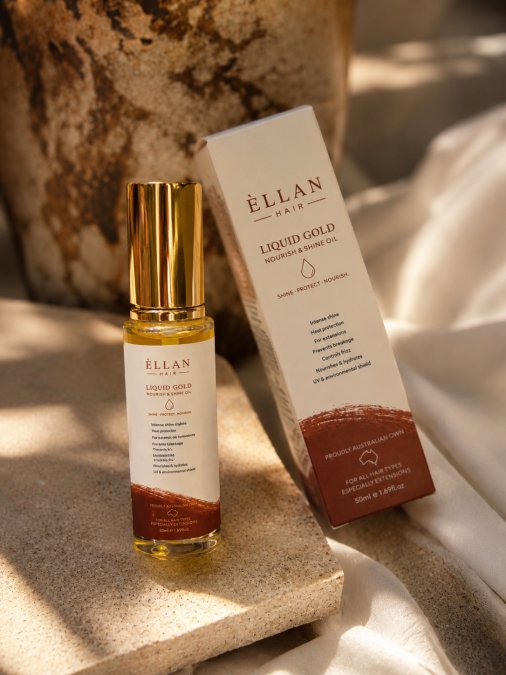
At Ellan Hair, our Liquid Gold Nourishing Oil is designed for dry, frizz-prone, coloured and extension hair. Apply 1-2 pumps through damp hair before styling or half a pump on dry hair as a finishing touch. This lightweight oil delivers softness and shine without the greasy feel, plus heat and UV protection.

Short Hairstyles: Length, Volume and Maintenance
Short hairstyles need different maintenance than longer styles, but they're often faster to style and easier to care for daily.
Pixie cuts and layered short styles
A pixie cut is very short all over, typically 2.5-7.5 cm on top with shorter sides. It suits most face shapes and straight or wavy hair, but needs trims every 3-4 weeks.
Layered short styles add texture and movement, creating the illusion of volume for fine hair and helping curly and coily hair sit better by removing bulk.
Short layered cuts work best when:
- You're willing to trim every 4-6 weeks
- Your hair texture supports the style (straight, wavy, or textured)
- You have time for daily styling with products
Scalp health and short-hair grooming
Short hair shows your scalp clearly, so regular cleansing and conditioning keep both scalp and style looking fresh.
Short-hair grooming includes:
- Washing 2-3 times per week with a gentle shampoo
- Conditioning the mid-lengths and ends, not the scalp
- Massage your scalp during washing to stimulate blood flow
- Use a lightweight oil or serum for shine without buildup
Dry shampoo between washes absorbs oil, adds texture, and extends time between washes. For curly or coily hair, a light leave-in conditioner keeps short styles hydrated without weighing them down.
Types of Bangs and Fringe Styles
Bangs and fringe change your entire look and frame your face. The right fringe style complements your face shape and hair texture.
Blunt, side-swept and layered fringe
Blunt bangs are cut straight across the forehead at one length. They suit oval and heart-shaped faces and straight or wavy hair, but need regular trims to maintain the line.
Side-swept fringe is longer on one side and shorter on the other, creating an angled line.
Layered fringe has shorter layers throughout for texture and movement.
Face shape compatibility
Your face shape influences which fringe style flatters you most.
- Oval faces: Work with all fringe styles. Blunt, side-swept, and layered all suit oval proportions.
- Round faces: Side-swept and layered fringe elongate the face. Blunt bangs can emphasise roundness.
- Square faces: Layered and side-swept fringe soften angular features. Blunt bangs can enhance squareness.
- Heart-shaped faces: Longer side-swept fringe balances a wider forehead. Blunt bangs can emphasise the forehead.
- Oblong faces: Blunt or layered fringe adds width and breaks up length. Very short fringe can elongate further.
Before committing to bangs, ask your stylist how they'd work with your face shape and hair texture; a consultation helps you visualise the result.
Protective Styling and Braiding Techniques
Protective styles reduce daily manipulation and help hair retain length and health, while braiding techniques add visual interest and versatility.
Common protective styles include:
- Box braids: Individual braids created by sectioning hair and weaving extensions or natural hair into square-shaped sections
- Cornrows: Braids that follow the scalp closely, created by weaving hair in continuous lines
- Twists: Two-strand twists created by wrapping two sections of hair around each other
- Locs: Long-term protective style where hair naturally or intentionally locks together
- Buns and updos: Styles that gather hair away from the face and shoulders
Protective styles work best when:
- You keep your scalp clean and moisturised underneath
- You don't keep styles in longer than 8-12 weeks
- You use lightweight oils to maintain hair health
- You remove styles gently to avoid breakage
For extension wearers, protective styling extends the life of your extensions: braids and twists distribute tension evenly and reduce daily shedding. Treat extensions with the same care as natural hair to maintain quality and longevity.
Choosing the Right Hairstyle for Your Face Shape
Face shapes fall into six main categories: oval, round, square, heart, oblong, and diamond, each with specific style recommendations.
Square faces have strong jawlines and broad foreheads. Styles that add volume at the jawline can soften these features.
Heart-shaped faces have wider foreheads and narrower chins. Styles that add volume at the chin balance the face.
Oblong faces are longer than they are wide. Styles that add width, such as side-swept bangs or layered cuts, can create a more balanced appearance.
Diamond-shaped faces have narrow foreheads and chins with wider cheekbones. Styles that add width to the forehead and jawline, like chin-length bobs or styles with volume around the face, can be flattering.
Styling Techniques and Product Selection for Long-Lasting Results
Heat styling requires protection. Always apply a heat protectant before hot tools to create a barrier that reduces damage and frizz.
Air drying works best for wavy, curly, and coily hair.
Blow drying straight and wavy hair creates smoothness and shine.
Styling products should match your hair type and the look you want:
- For hold and shape: Pomades, waxes, and gels provide structure
- For texture and grip: Dry shampoo and texturising sprays add grip and volume
- For shine and smoothness: Oils and serums add polish without buildup
- For moisture and definition: Leave-in conditioners and creams hydrate and define
According to the Australian Hairdressing Council's professional standards, proper product application and technique are essential for healthy hair results.
At Ellan Hair, we recommend professional-grade products designed for your hair type. Our Liquid Gold Nourishing Oil works across all textures: apply to damp hair before styling or as a finishing touch on dry hair.
Research from the International Journal of Cosmetic Science shows that quality styling products with protective ingredients extend hairstyle longevity and improve overall hair health.
Choosing the right hairstyle starts with understanding your hair texture, face shape, and the maintenance you'll commit to.
Frequently Asked Questions
What are the main hairstyle types based on hair texture?
Hairstyle types are primarily classified by hair texture: straight hair lies flat from root to tip; wavy hair has gentle S-curves and moderate curl pattern; curly hair forms defined ringlets with higher density; coily hair has tight spirals and requires specific styling techniques. Your curl pattern determines which hairstyles work best and what styling products your hair responds to. Understanding your texture helps you select cuts and maintenance routines suited to your hair's natural properties.
How do I choose a hairstyle that suits my face shape?
Match your hairstyle to your face shape by considering proportions. Round faces benefit from styles that add height and angular lines, like quiffs or layered cuts. Oval faces suit most styles, including bobs and fringes. Square faces look balanced with softer, textured styles that reduce angularity. Long faces benefit from side-swept fringe and horizontal volume. Consult with a professional stylist who can assess your face shape and recommend cuts that complement your features while working with your hair texture and density.
What's the difference between a fade, taper and undercut?
These are distinct barbering techniques for managing hair length transitions. A fade gradually shortens hair from longer on top to very short or skin-level at the sides and back, creating a seamless blend. A taper also shortens gradually but maintains slightly more length at the nape and sides. An undercut keeps significant length on top while cutting the sides and back much shorter, creating sharp contrast. Each technique works differently depending on your hair density, scalp health, and the style you're aiming for.
How do I keep short hairstyles looking fresh between salon visits?
Short hairstyles require regular maintenance every 4-6 weeks to maintain shape and volume. Between visits, use styling products suited to your hair type and porosity, lighter products for fine hair, richer formulations for dense or coily hair. Wash with lukewarm water to preserve scalp health and avoid buildup. Consider nourishing oils like Liquid Gold Nourishing Oil to keep ends soft and prevent dryness, especially if your hair is colour-treated or you use heat styling. Proper grooming routines extend the life of your cut and keep it looking professional.